
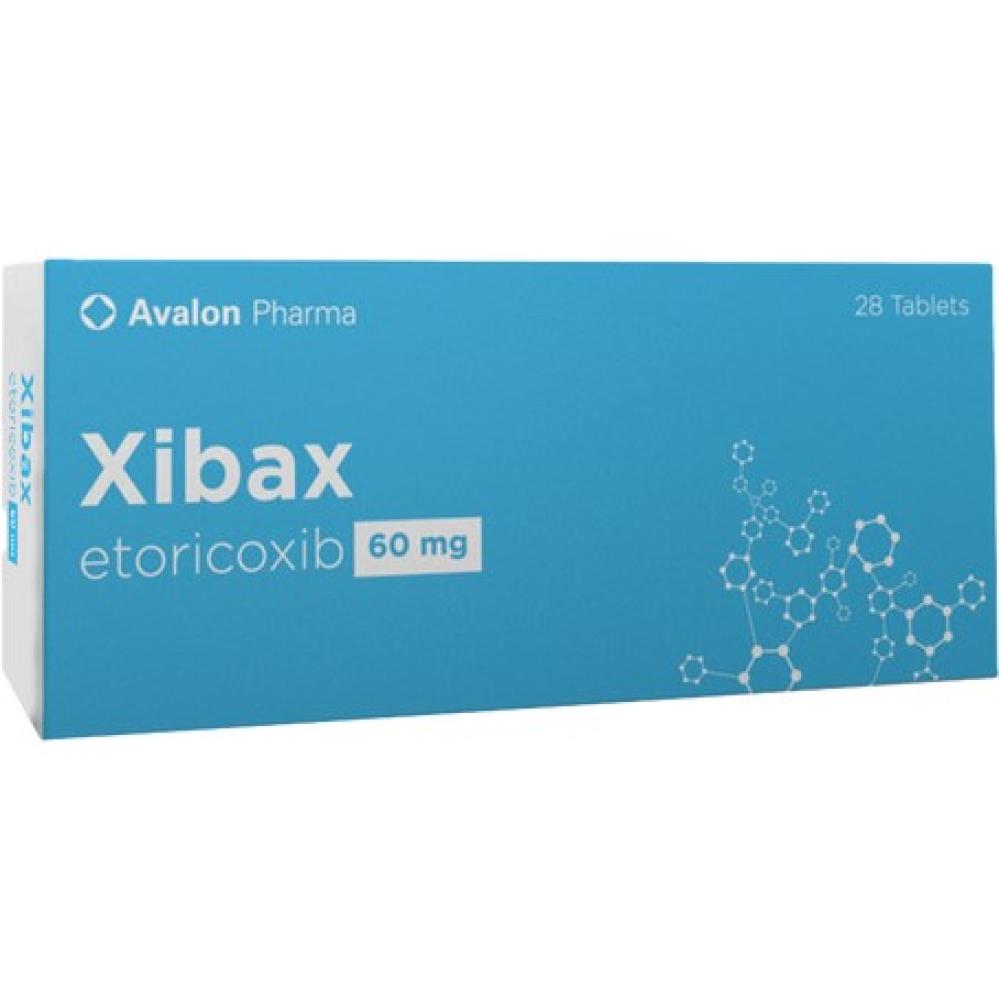
Etoricoxib tablets 60 mg
What is etoricoxib and what is it used for?
Etoricoxib is one of a group of medicines called selective COX-2 inhibitors. These belong to a family of medicines called non-steroidal anti-inflammatory drugs (NSAIDs).
What are the uses of etoricoxib?
• Etoricoxib helps reduce pain and swelling (inflammation) in the joints and muscles of people 16 years of age and older with osteoarthritis, rheumatoid arthritis, ankylosing spondylitis, and gout.
• Etoricoxib is also used for the short-term treatment of moderate pain after dental surgery in people 16 years of age or older.
What is arthritis?
• Osteoarthritis is a disease of the joints. It results from the gradual breakdown of the cartilage that cushions the ends of bones. This causes swelling (inflammation), pain, tenderness, stiffness and disability.
What is rheumatoid arthritis?
• Rheumatoid arthritis is a long-term inflammatory disease that affects the joints. It causes pain, stiffness, swelling, and increased loss of movement in the joints it affects. It may also cause inflammation in other areas of the body.
What is gout?
• Gout is a disease that results from sudden, recurring attacks of extremely painful inflammation and redness in the joints. It is caused by deposits of mineral crystals in the joint.
What is ankylosing spondylitis?
• Ankylosing spondylitis is an inflammatory disease that affects the spine and large joints.
What you need to know before using etoricoxib:
Do not use etoricoxib:
Tell your doctor if you:
• If you are allergic (hypersensitive) to etoricoxib or any of the other ingredients of this medicine
• If you are allergic to nonsteroidal anti-inflammatory drugs (NSAIDs), including aspirin and COX-2 inhibitors
• If you have a stomach ulcer or bleeding in the stomach or intestines.
• If you have serious liver disease.
• If you have serious kidney disease.
• If you are pregnant, may become pregnant or are breastfeeding.
• If you are under 16 years of age
• If you have inflammatory bowel disease, such as Crohn's disease, ulcerative colitis, or ulcerative colitis
• If you have high blood pressure that is not controlled by treatment (consult your doctor or nurse if you are not sure whether your blood pressure is adequately controlled)
• If your doctor has diagnosed you with heart problems including heart failure (moderate or severe types) and angina (chest pain)
• If you have had a heart attack, bypass surgery, or peripheral artery disease (poor circulation in the legs or feet due to narrowed or blocked arteries)
• If you have had any type of stroke (including a mini-stroke, transient ischaemic attack or TIA). Etoricoxib may slightly increase the risk of heart attack and stroke and for this reason should not be used in those who already have heart problems or a stroke.
Warnings and precautions:
You should tell your doctor if:
• You have a history of stomach bleeding or ulcers.
• You are dehydrated, for example due to a prolonged bout of vomiting or diarrhoea.
• You have bloating due to fluid retention.
• You have a history of heart failure, or any other form of heart disease.
• You have a history of high blood pressure. Etoricoxib can increase blood pressure in some people, especially at high doses, and your doctor will want to check your blood pressure from time to time.
• You have any history of liver or kidney disease.
• You are being treated for an infection. Etoricoxib can mask or hide a fever, which is a sign of infection.
• You have diabetes, high cholesterol, or are a smoker. This can increase your risk of heart disease.
• I was a woman trying to get pregnant.
• You are over 65 years old.
Other medicines and etoricoxib:
Please tell your doctor or pharmacist if you are taking, have recently taken or might take any other medicines, including medicines obtained without a prescription.
• Medicines that thin the blood (anticoagulants), such as warfarin
• Rifampicin (antibiotic)
• Methotrexate (a drug used to suppress the immune system, often used in rheumatoid arthritis)
• Cyclosporine or tacrolimus (drugs used to suppress the immune system)
• Lithium (a medication used to treat some types of depression)
• Medications used to help control high blood pressure and heart failure are called ACE inhibitors and angiotensin receptor blockers. Examples include enalapril, ramipril, losartan, and valsartan.
• Diuretics (water pills)
• Digoxin (a medicine for heart failure and irregular heartbeat)
• Minoxidil (a medication used to treat high blood pressure)
• Salbutamol tablets or oral solution (asthma medicine)
• Birth control pills (combining them may increase the risk of side effects)
• Hormone replacement therapy (combination may increase the risk of side effects)
• Aspirin: The risk of stomach ulcers is greater if you take etoricoxib with aspirin.
• Aspirin to prevent heart attacks or strokes:
• Etoricoxib can be taken with low-dose aspirin.
• If you are currently taking low-dose aspirin to prevent heart attacks or stroke, you should not stop taking aspirin until you talk to your doctor.
• Aspirin and other nonsteroidal anti-inflammatory drugs (NSAIDs):
• Do not take high doses of aspirin or other anti-inflammatory medications while taking etoricoxib.
How to use etoricoxib:
• Always take this medicine exactly as your doctor has told you. Check with your doctor or pharmacist if you are not sure.
• Do not take more than the recommended dose for your condition. Your doctor will want to discuss your treatment from time to time.
• It is important that you use the lowest dose that controls your pain and you should not take etoricoxib for longer than necessary.
• This is because the risk of heart attacks and strokes may increase after long-term treatment, especially with high doses.
The recommended dosage is:
Rheumatoid arthritis
• The recommended dose is 60 mg once daily, increasing to 90 mg once daily if necessary.
Ankylosing spondylitis
• The recommended dose is 60 mg once daily, increasing to 90 mg once daily if necessary.
Acute pain conditions
• Etoricoxib should be used only for acute pain.
Gout
• The recommended dose is 120 mg once daily which should only be used for the acute period of pain, with a maximum of 8 days of treatment.
Post dental surgery pain
• The recommended dose is 90 mg once daily, for a maximum of 3 days of treatment.
People with liver problems
• If you have mild liver disease, you should not take more than 60 mg per day.
• If you have moderate liver disease, you should not take more than 30 mg per day.
Use in children and adolescents
• Etoricoxib tablets should not be given to children or adolescents under 16 years of age.
the elderly
• No dosage adjustment is required for elderly patients. As with other drugs, caution should be exercised in elderly patients.
Method of administration
• Etoricoxib is for oral use. Take the tablets once daily. Etoricoxib can be taken with or without food.
Possible side effects:
• Stop using the product and seek immediate medical attention if you experience any of the following signs:
• Shortness of breath, chest pain, or ankle swelling develops or worsens.
• Yellowing of the skin and eyes (jaundice) - these are signs of liver problems.
• Severe or persistent stomach pain or your stools become black
• Allergic reaction – which can include skin problems such as sores or blisters, or swelling of the face, lips, tongue or throat which may cause difficulty breathing
How to store etoricoxib:
• Keep this medicine out of the sight and reach of children.
• Do not use this medicine after the expiry date which is stated on the carton.
• The expiration date refers to the last day of the same month.
• Bottles: Keep container tightly closed to protect from moisture.
• Blisters: Store in original container to protect from moisture.
• Do not dispose of medicines via wastewater or household waste.
• Ask your pharmacist how to dispose of medicines you no longer use. These measures will help protect the environment.