
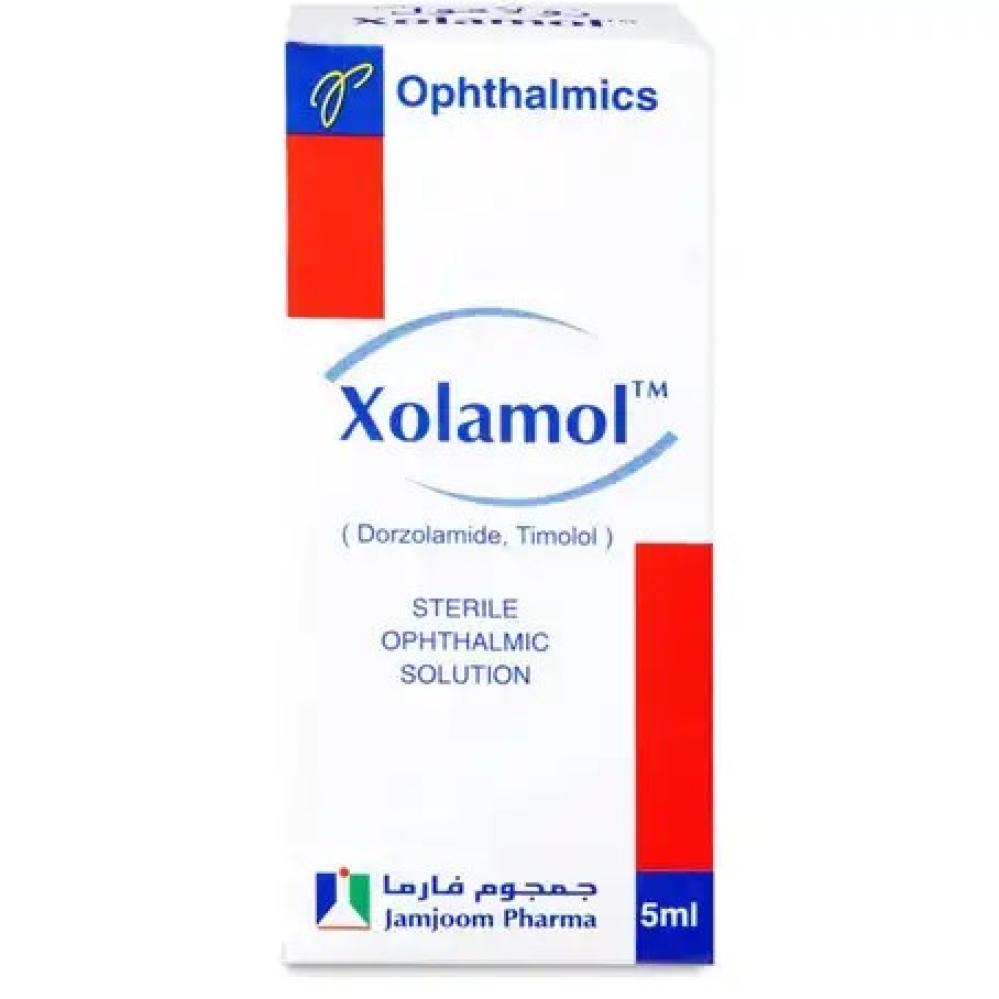
Dorzolamide 20 mg/ml / Timolol 5 mg/ml eye drops solution
What is Dorzolamide/Timolol and what is it used for:
- This product contains Dorzolamide/Timolol and Timolol.
- Dorzolamide/timolol is a medicine that belongs to a class of medicines known as 'carbonic anhydrase inhibitors'.
- It is used to lower high pressure in the eye and treat glaucoma.
- Timolol is a medicine that belongs to a class of medicines known as 'beta blockers'.
- This medicine is used to lower high pressure in the eye when beta blockers are not enough if given alone.
Do not use Dorzolamide/Timolol:
- If you are allergic to dorzolamide/timolol or any of the ingredients of this medicine.
- Tell your doctor about the allergy and any signs you have.
- If you have severe kidney problems, or a history of kidney stones.
- If you have hyperacidity due to chloride buildup in your blood.
- If you have or have had respiratory problems, such as asthma or severe chronic obstructive bronchitis (a severe lung disease that may cause wheezing, difficulty breathing and/or long-term cough).
- If you have heart failure, slow heart rate, or heart rhythm problems.
Warnings and precautions:
- Talk to your doctor or pharmacist if you experience an allergic reaction such as shortness of breath, rash, swelling of the face or neck.
- Talk to your doctor or pharmacist about any medical problems you currently have or have had, including eye problems and eye surgeries, and any allergies to any medicines.
- Talk to your doctor right away if you have any eye irritation or any new eye problems such as swelling or redness of the eye or eyelids.
- Talk to your doctor before starting this medicine if you have any liver problems.
- This product contains a preservative known as benzalkonium chloride which can affect the color of soft contact lenses and may also cause eye irritation especially if you have corneal problems or dry eyes, so be sure to remove soft contact lenses before applying eye drops and wait at least 15 minutes before putting your contact lenses back in.
- Talk to your doctor before starting this medicine if you currently have or have ever had heart failure, an abnormal heartbeat, coronary heart disease (a heart problem that may cause choking, chest pain, or shortness of breath), or low blood pressure.
- Talk to your doctor before starting this medicine if you currently have or have ever had breathing problems, chronic obstructive pulmonary disease, or asthma.
- Talk to your doctor before starting this medication if you have or have had poor blood circulation (such as Raynaud's disease).
- Talk to your doctor before starting this medication if you currently have or have had diabetes because this medication may mask the signs and symptoms of low blood sugar.
- Talk to your doctor before starting this medication if you currently have or have had hyperthyroidism because this medication may mask the signs and symptoms.
- Talk to your doctor before starting this medicine if you wear soft contact lenses.
- Talk to your doctor before starting this medication if you have a planned surgical procedure because this medication may change the effects of some medications used during anesthesia.
- Seek your doctor's advice right away if you develop eye inflammation, eye irritation, or any new eye problems (such as swollen eyelids or red eyes).
- Talk to your doctor if you have an eye injury.
- Talk to your doctor if your eye condition gets worse or if you experience new symptoms.
- This product contains a preservative known as benzalkonium chloride which can affect the color of your soft contact lenses and may also cause eye irritation especially if you have corneal problems or dry eyes, so be sure to remove your soft contact lens before applying eye drops.
- Wait at least 15 minutes before putting your contact lenses back in.
- Talk to your doctor if you feel an abnormal eye sensation (pain or stinging) in your eye after putting in the eye drops.
- Talk to your doctor if you have muscle weakness or have been previously diagnosed with myasthenia gravis.
Possible side effects:
- Very common side effects include burning and stinging in the eyes.
- Common side effects include itchy eyes, runny eyes, redness in and around the eyes, damage to the front layer of the eyeball, irritation and swelling in and around the eye(s), tiredness, feeling like there is a foreign body in the eye, not knowing there is something in the eye and not feeling any pain, eye pain, dry eyes, blurred vision, headache, sinusitis, fatigue and nausea.
Other medicines and dorzolamide/timolol:
- Tell your doctor or pharmacist if you are taking, have recently taken or might take any medications, including eye drops (especially carbonic anhydrase inhibitors such as acetazolamide).
- If you are using more than one eye drop solution, be sure to administer each at least five minutes apart to avoid dripping eye drops.
- If you are taking medication to treat high blood pressure.
- If you are taking heart medications.
- If you are taking MAO inhibitors (used to treat depression).
- If you are taking medications to treat diabetes.
- If you are taking calcium antagonists (such as verapamil, nifedipine, diltiazem; used to treat angina, high blood pressure, abnormal heartbeats, or Raynaud's disease).
- If you are taking narcotic medications (painkillers such as morphine).
- If you are taking parasympathomimetic medicines (used to help you urinate).
- If you are taking digoxin (used to treat heart failure or abnormal heartbeats).
- If you are taking catecholamine-depleting agents (such as rauwolfia alkaloids or reserpine; used for high blood pressure).
- If you are taking pressor amines (such as adrenaline, used to treat severe allergic reactions).
- If you are taking quinidine (used to treat heart problems and some types of malaria).
- If you are taking fluoxetine or paroxetine (antidepressants).
- If you are taking clonidine (used to treat high blood pressure).
- If you are taking other beta-blockers by mouth or as eye drops.
- If you are taking other carbonic anhydrase medications.
How to use Dorzolamide/Timolol:
Children:
- This medicine has not been adequately studied in infants and children.
the elderly:
- The effects of this drug have been shown to be the same in both elderly and younger patients.
- The recommended dosage is one drop in the affected eye in the morning and evening.
- Use eye drops solution as directed by your doctor.
- Do not put eye drops in both eyes unless your doctor has prescribed them.
- Use your medicine exactly as your doctor prescribed.
- Talk to your doctor or pharmacist if you are not sure.
- Open the bottle's packaging bag immediately before using it for the first time and write the date of opening on the carton in the designated place.
- Do not open the packaging bag until you need to use the bottle.
- Wash your hands.
- Remove the bottle cap.
- Tilt your head back slightly and pull your lower eyelid down to create a pocket.
- Place the dropper over the eye with the tip pointing down.
- Look up and away from the bottle.
- Avoid touching the tip of the eye dropper to the eye or other surfaces to prevent bacterial contamination that may lead to eye infection and serious eye damage.
- Then press the container to release a drop.
- Leave the lower eyelid open and close the eyes for two minutes.
- If you miss an eye drop, repeat the steps.
- Wipe any excess drops from your cheeks.
- Repeat the steps with the other eye if your doctor has told you to put your medicine in both eyes.
- Close the bottle cap tightly when finished using.
- Call your doctor if you suspect your eye drops are contaminated.
- If you are using more than one eye drop solution, be sure to take each one at least ten minutes apart.
How to store Dorzolamide/Timolol:
- Discard the bottle after 4 weeks of opening even if it is not empty and use a new bottle.
- Write the date you opened the bottle (for the first time) on the space provided on the carton.
- Keep medicine out of reach of children and pets.
- Do not use the medicine after the expiry date stated on the carton.
- Store the medicine away from light.
- Do not dispose of this medicine via wastewater or household waste.
- Ask your pharmacist how to dispose of medications you no longer need.